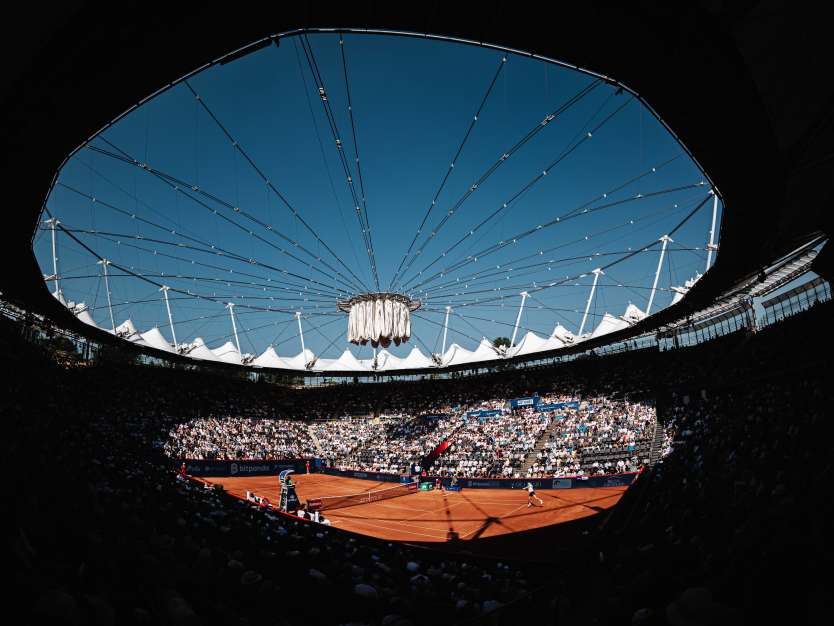
A New Pathway for Emerging Tennis Talent: Inside ProjectFIVE’s Growing Roster
Published on
The global tennis landscape is shifting. Pathways to the professional tour are increasingly non-linear, with junior, collegiate and Challenger-level competition now forming a bridge to long-term success.
Against this backdrop, SPORTFIVE’s boutique athlete representation platform, projectFIVE, continues to build a tennis portfolio shaped around one clear principle: identifying emerging talent and surrounding it with the structure, commercial strategy and long-term vision required to succeed.
Since entering the tennis market in late 2024, projectFIVE has moved with intent. The platform has steadily strengthened its roster while aligning athlete progression with SPORTFIVE’s global commercial expertise. The latest wave of signings underlines both the scalability and ambition of this approach.
In this Insight:
Jay Friend
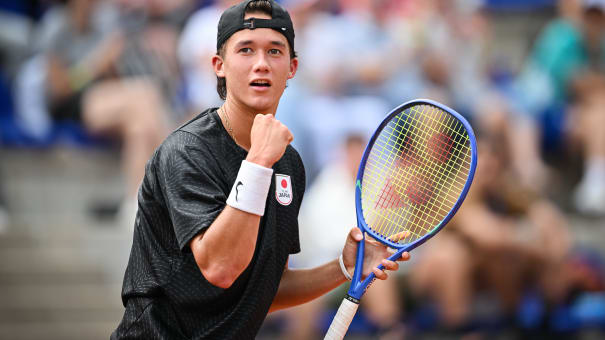
Japanese international standout Jay Friend has joined projectFIVE, further strengthening the agency’s international tennis portfolio as it continues to expand its presence on the ATP Tour. Now fully embarked on his professional career and currently holding an ATP ranking of No. 401, Friend built a strong foundation through the U.S. collegiate system, recently completing an outstanding career at the University of Arizona.
During his time in college tennis, he established himself firmly among the elite of the NCAA, reaching a national singles ranking of No. 3. He just led Arizona to its first-ever Elite Eight appearance and earned First Team All-American honours. Friend also made program history by becoming the first Arizona player to win the prestigious ITA Men’s All-American Championship, claiming the title in Tulsa, Oklahoma, in September 2025.
With his collegiate chapter now concluded, Friend has transitioned fully to the professional game and will focus exclusively on competing across ATP Tour and ATP Challenger events as he continues to build his ranking and presence on the global stage.
Mika Petkovic
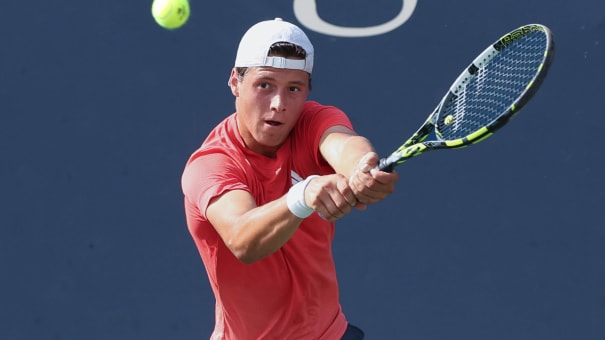
The signing of Mika Petkovic also reinforces projectFIVE’s presence in Germany while maintaining a clear international outlook. Based in Hamburg, the 19‑year‑old has already demonstrated his ability to win at professional level on the ITF Men’s World Tennis Tour. Alongside other impressive results, Mika recently captured the ITF M15 title in Oegstgeest, Netherlands, marking the second professional title of his young career, a result to propel him into the Top 500 of the ATP rankings.
This progress builds on a highly successful junior career, highlighted by a Top 50 ITF Junior ranking and the German U18 National Championship title.
With his schooling concluding this summer, Petkovic now enters a decisive phase as he transitions to full‑time professional tennis. Through projectFIVE, he will receive personalised career management support focused on sponsorship strategy, marketing development, and long‑term brand building ensuring that his on‑court momentum is matched by structured and sustainable off‑court development.
The pathway to the top of professional tennis is no longer linear and that’s exactly where we see the opportunity. Our focus is on identifying players at the right moment in their journey and giving them the structure, strategic guidance and commercial support to build sustainable careers, not just short-term results.
Charly Steeb, ProjectFIVE

Nathan Trouvé
The signing of Nathan Trouvé on a Name, Image and Likeness (NIL) agreement also marks a significant step forward in projectFIVE’s commitment to players navigating the crucial transition from junior and collegiate tennis into the professional ranks.
Born in 2006, the French prospect is already regarded as one of the leading players of his generation. His career‑high ITF junior ranking inside the world’s top 20 reflects a strong competitive foundation, while early experiences at ATP Tour and Challenger level signal readiness for the next phase. Following his graduation from the Rafa Nadal International School in 2024 – a background that aligns closely with projectFIVE’s belief in hybrid development routes - Trouvé’s development is currently still being shaped through the US collegiate pathway at USC (University of Southern California), where he has quickly established himself as a key contributor, regularly competing at the top of the lineup for one of the leading collegiate tennis programs in the United States. His impact has been highlighted by Big Ten All‑Freshman Team recognition and multiple victories over nationally ranked opponents in both singles and doubles.
Through projectFIVE, Trouvé will receive tailored support spanning sponsorship acquisition, marketing strategy and long‑term brand development. The aim is not acceleration at all costs, but a sustainable progression that balances performance, commercial growth and personal identity as he transitions fully into the professional game.

Justin Engel
Every platform needs a proof point. For projectFIVE, that moment came with the signing of Justin Engel in December 2024 – the first tennis athlete to join the roster. Engel’s rapid on‑court progression since then has played a central role in establishing the platform’s credibility within elite men’s tennis.
Beyond results, Engel’s recent agreement as a Red Bull athlete represents a significant commercial milestone. The partnership highlights how early‑stage talent, when supported with the right strategic framework, can begin to attract global brands well before reaching top‑tier rankings.
For projectFIVE, Engel’s trajectory validates its athlete‑first model: developing both performance and personal brand in parallel.
Looking Ahead
As projectFIVE continues to deepen its footprint in tennis, what emerges is not just a growing roster, but a clear point of view on how modern careers are built.
In a landscape where development is rarely linear and success is shaped over time, the platform is leaning into patience, precision and long-term investment.
Backed by SPORTFIVE’s global reach, projectFIVE is creating an environment where performance and personality evolve together and where the next generation of players are given the structure to turn potential into sustained presence at the top of the game.
Frequently Asked Questions
To become the sponsor of an athlete, follow these steps:
Research Athletes: Identify athletes whose image, values, and audience align with your brand. Consider factors like sports, achievements, and public persona.
Contact Management: Reach out to the athlete's management or agent. Contact information is often available on their official website or through professional representation agencies.
Proposal Development: Craft a compelling sponsorship proposal outlining the benefits, objectives, and terms of the partnership. Highlight how the collaboration will be mutually beneficial.
Negotiation: Initiate discussions with the athlete's representatives to negotiate terms, including financial arrangements, contractual obligations, and activation plans.
Legal Documentation: Once terms are agreed upon, work with legal professionals to draft a formal sponsorship agreement that outlines the rights and responsibilities of both parties.
Activation and Collaboration: Implement sponsorship activation strategies, collaborate on marketing campaigns, and engage with the athlete to maximise the impact of the partnership.
Building a successful sponsorship relationship with an athlete requires careful consideration, effective communication, and a shared vision for the collaboration.
Sports marketing encompasses various strategies and channels aimed at promoting and improving the visibility of sporting events, teams, athletes, and associated brands. Here is a list of the main types of sports marketing:
Sponsorship marketing:
- Naming rights: Companies pay for the naming rights to stadiums, events, or competitions, thereby associating their brand with a sports property.
- Team sponsorship: Brands sponsor sports teams and gain visibility through their logos on jerseys, equipment, and team facilities.
- Athlete promotion: Brands partner with athletes to promote their products, leveraging the athletes' image and popularity.
Advertising in sports
- Audiovisual advertising: commercials aired during televised or streamed sporting events.
- Stadium advertising: billboards, banners, and digital screens in sports venues.
- Print and digital advertising: ad placements in sports magazines, websites, and mobile apps.
Event marketing
- Promotions and gifts: special offers, discounts, or gifts to attract participants.
Social media marketing
- Content creation: sharing engaging and relevant content on platforms such as Instagram, Twitter, and Facebook.
- Influencer partnerships: collaborating with sports influencers and athletes to reach a wider audience.
- Live streaming: broadcasting live events, behind-the-scenes footage, or exclusive content on social media.
Community and local marketing
- Youth and amateur sports: engaging with local communities through youth programs and local initiatives.
- Community events: participating in or organizing events that help build relationships with local residents.
- Sponsorship of local teams: supporting and sponsoring local amateur sports teams.
Content marketing
- Branded content: creation and promotion of content in line with brand values in a sports context.
- Documentaries and series: development of long-form content telling compelling stories in the field of sports.
Digital and mobile marketing
- Mobile apps: developing apps for teams or events to boost fan engagement.
- Email marketing: using email campaigns to communicate with fans and promote events.
- Augmented reality (AR) and virtual reality (VR): integrating immersive experiences into marketing efforts.
Public Relations (PR) and Media Relations
- Press releases: Distributing information to the media to generate media coverage.
- Media interviews: Organizing interviews with athletes, coaches, and team representatives to build positive narratives.
By combining these different types of sports marketing, organizations can create comprehensive, integrated strategies to achieve their marketing goals within the dynamic sports industry.
Establishing a partnership with an athlete, club, or federation involves a strategic approach and effective negotiation. Here are steps for each:
Athlete Partnership
Research: Identify athletes whose values align with the brand. Consider their audience demographics and market relevance.
Contact and Proposal: Reach out to the athlete or their management with a well-crafted proposal outlining the partnership benefits, objectives, and terms.
Negotiation: Discuss terms such as sponsorship duration, financial arrangements, and activation plans. Ensure mutual understanding and agreement.
Club Partnership
Research and Alignment: Research clubs that resonate with the brand's values and target audience. Align objectives with the club's goals.
Engage with Key Stakeholders:Reach out to club executives or sponsorship managers to discuss potential collaborations.
Customised Proposal: Present a tailored proposal highlighting the benefits, including branding opportunities, fan engagement, and joint marketing initiatives.
Federation Partnership
Understand Objectives: Understand the federation's goals and priorities. Align brand objectives with the federation's mission.
Engage with Decision-Makers: Reach out to key decision-makers within the federation to discuss potential partnerships.
Collaborative Planning: Work together to create a mutually beneficial partnership plan, considering financial contributions, promotional activities, and long-term goals.
Building relationships, demonstrating the value of the partnership, and negotiating terms collaboratively are key elements in establishing successful partnerships in the sports industry.
Brand image refers to the perception and impression that consumers and the public hold about a brand. It encompasses the overall mental picture, feelings, and associations individuals have when encountering a brand.
A brand's image is shaped by various elements, including its visual identity, messaging, reputation, and the experiences it delivers. Positive brand image reflects favourably on a brand, influencing consumer trust, loyalty, and purchase decisions.
It is a vital aspect of brand management, as a strong and positive brand image contributes to building a competitive advantage and fostering long-term relationships with customers. Conversely, a negative or inconsistent brand image may lead to distrust and a decline in consumer confidence.
The future of sports marketing is expected to be shaped by a combination of technological advancements, shifting consumer behaviours, and a continued focus on sustainability and social responsibility. Here are some potential directions for the future of sports marketing:
Immersive Technologies
Continued integration of immersive technologies such as augmented reality (AR), virtual reality (VR), and extended reality (XR) to create more engaging and interactive fan experiences. Virtual stadium tours, AR-enhanced game broadcasts, and VR fan zones may become commonplace.
Fan Tokenization and Blockchain
Greater adoption of blockchain technology for fan tokenization, enabling fans to have ownership stakes, voting rights, and access to exclusive content. Blockchain can enhance transparency in ticketing, merchandise authentication, and secure transactions.
Personalization and Data Analytics
Further emphasis on personalised fan experiences through advanced data analytics. Sports marketers will leverage data to tailor content, offers, and interactions, fostering deeper connections with individual fans.
Sustainable Practices
Increased commitment to sustainability in sports marketing, with sports organisations implementing eco-friendly initiatives, promoting green events, and incorporating sustainable practices into their operations.
Social Responsibility and Inclusivity
Continued focus on social responsibility and inclusivity. Sports entities will use their platforms to advocate for social causes, promote diversity and inclusion, and engage in community-driven initiatives.
Direct-to-Consumer Strategies
Greater reliance on direct-to-consumer strategies, with sports organisations leveraging e-commerce, streaming services, and personalised digital platforms to connect directly with fans, reducing dependence on traditional distribution channels.
Artificial Intelligence (AI) Integration
Integration of artificial intelligence (AI) for more efficient fan engagement, customer service, and data analysis. AI-driven chatbots, predictive analytics, and automated marketing campaigns will enhance overall efficiency.
Health and Wellness Partnerships
Increased collaborations with health and wellness brands as sports organisations align with companies promoting fitness, nutrition, mental well-being, and overall healthy lifestyles.
Global Expansion and Emerging Markets
A focus on global expansion and tapping into emerging markets, reaching diverse audiences worldwide through strategic partnerships, international events, and region-specific marketing strategies.
Esports Growth
Continued growth of esports and its integration into traditional sports marketing strategies. Esports sponsorships, events, and collaborations will become more prevalent, appealing to a younger and digitally connected audience.
Smart Stadiums and Fan Engagement
Smart stadium initiatives to enhance the in-person fan experience, incorporating technology for personalised services, seamless connectivity, and interactive features that complement live events.
Dynamic Content and Storytelling
Dynamic content creation and storytelling strategies that capture the attention of diverse audiences. Brands will focus on creating compelling narratives and shareable content to resonate with fans emotionally.
Partnerships with Influencers and Creators
Increased partnerships with influencers, content creators, and social media personalities to amplify sports marketing messages and reach broader demographics.
Continuous Innovation
A culture of continuous innovation, with sports marketers embracing emerging technologies, experimenting with new formats, and staying agile to adapt to changing consumer preferences.
The future of sports marketing is dynamic, with technology playing a central role in enhancing fan experiences and engagement. Sports marketers who embrace innovation, prioritise fan relationships, and align with societal values are likely to thrive in this evolving landscape.
A good sponsorship fit is characterised by the alignment of the sponsoring brand with the sponsored entity in a way that creates mutual value and resonates with the target audience. Several factors contribute to a strong sponsorship fit:
Relevance: The sponsorship should align with the values, image, and interests of both the sponsoring brand and the sponsored entity, creating a natural and authentic connection.
Target Audience Alignment: The audience of the sponsored entity should closely match the target demographic of the sponsoring brand, ensuring that the partnership reaches the right consumers.
Brand Image Consistency: The sponsorship should enhance, not contradict, the overall image and messaging of the sponsoring brand, contributing positively to its perception.
Engagement Opportunities: A good fit provides meaningful opportunities for engagement, whether through events, activations, or collaborative campaigns, ensuring that the partnership goes beyond mere visibility.
Mutual Goals: Both the sponsor and the sponsored entity should share common objectives and goals, fostering a collaborative approach to the partnership.
Long-Term Viability: Ideally, a good sponsorship fit has the potential for a long-term relationship, allowing both parties to grow and evolve together.
Ultimately, a successful sponsorship fit is one where the collaboration is strategic, authentic, and creates a win-win scenario for both the sponsor and the sponsored entity.
Identifying appropriate sponsorships in the sports industry involves a strategic approach which considers your brand's goals and the dynamics of the sports landscape:
Define Objectives: Clearly articulate your marketing objectives, whether it's brand awareness, audience engagement, or community outreach.
Audience Alignment: Identify sports properties that resonate with your target audience, ensuring relevance and engagement.
Brand Values: Seek sponsorships that align with your brand's values and image, creating authentic connections with the sports entity.
Research Opportunities: Explore various sports teams, events, or athletes to find opportunities that match your criteria. Look for entities with a strong and positive presence.
Evaluate Reach: Assess the reach and visibility of potential sponsorships, considering factors like broadcast exposure, social media following, and event attendance.
Budget Considerations: Ensure that the sponsorship aligns with your budget while providing significant value in terms of visibility and audience engagement.
By considering these factors, you can identify sports sponsorships that align with your brand's goals, resonate with your target audience, and contribute to a successful partnership within the sports industry.
