Tennis: Between Tradition and Transformation
Published on
A sport that thrives on its history – and is currently redefining itself
Tennis is one of the few sports that offers almost everything others can only dream of: global reach, iconic events, international stars and a fan base with strong purchasing power. Yet just when the conditions could hardly be better, the sport faces a crucial challenge. For whilst tradition was once enough to guarantee attention, fans today expect far more than just the match itself. The future of tennis is therefore being decided not only on the court, but increasingly in the areas of content, community, entertainment and brand promotion.
In this Insight:
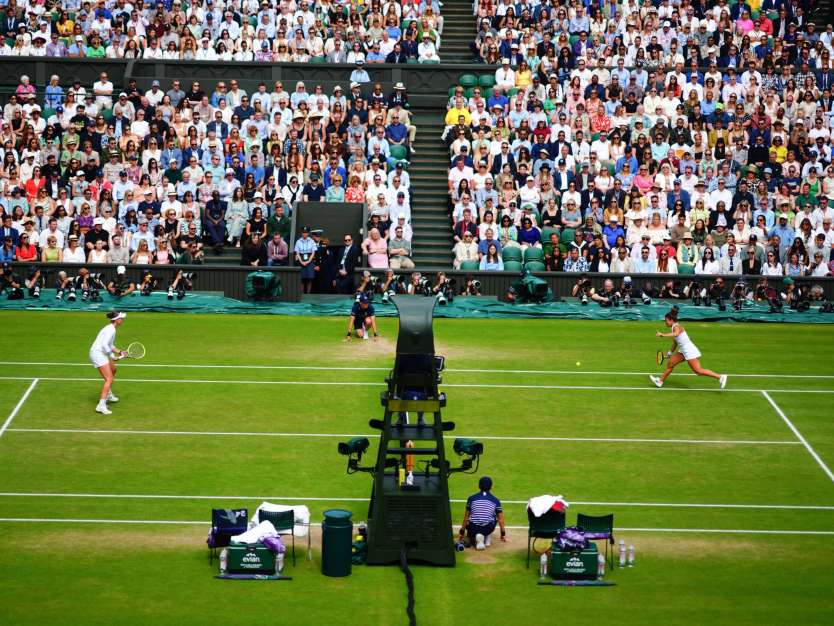
Tennis embodies tradition and history like almost no other sport. The all-white attire at Wimbledon, iconic rivalries and a reputation that has stood for precision and international appeal for decades have made the sport what it is today: a global brand with enormous reach.
With around 860 million fans worldwide, tennis is one of the most popular sports of all. Just under 230 million people play the sport actively. In Germany alone, around 22 million people are interested in tennis, whilst around one in ten people actually pick up a racket themselves.
And yet, despite these impressive figures, one question remains: why is tennis, despite its appeal, not always able to achieve the same economic and media prominence as other top international sports?
The answer lies not so much on the court as off it. For tennis is currently undergoing a period of transformation. The sport does not need to change its rules, but rather its self-image. The future of tennis increasingly hinges on whether it can succeed in turning individual matches into a modern sport and entertainment product.

‘The Match is no Longer the Product’
For decades, the product in tennis was clearly defined: the match.
The dramatic structure of a match, the length of a five-set contest or the rivalry between players used to form the core of the sporting and media spectacle – but this understanding is currently undergoing a fundamental shift.
Tennis no longer competes solely with other sports: streaming services, social media, gaming and creator content are all vying for attention in equal measure. Younger audiences in particular expect much more than just the sporting event itself.
For them, tennis often doesn’t begin with the first serve; instead, they get into the sport through Netflix documentaries, TikTok clips, behind-the-scenes content or athletes on Instagram.
Fabian Ziemer, Vice President of Brand Activation and Head of Tennis at SPORTFIVE, sums up this development in an interview with SPOBIS: “The match is no longer the product.”
This statement describes a fundamental shift: Whilst the individual match remains at the heart of the sport, it is now merely one component of a larger, comprehensive product comprising stories, personalities, digital experiences, communities and brand partnerships.
One of the Most Attractive Target Audiences in Sport
Tennis attracts a relatively balanced audience. In Germany, the breakdown of those interested – 55 per cent men and 45 per cent women – is significantly more balanced than in many other sports.
A large proportion of fans still have a traditional outlook: more than 50 per cent of those interested are over 50 years old and follow the sport mainly through traditional channels such as TV broadcasts.
Added to this is high purchasing power. Tennis fans are more likely than average to have a net household income of more than 3,500 euros per month. They show a particularly strong affinity for premium products, financial services, travel, health-related topics and high-quality consumer goods.
At the same time, a new generation is coming of age that experiences tennis differently – through social media, through highlights rather than full matches, and through content that offers a glimpse behind the scenes.
Suddenly, there are two different sets of expectations for one and the same sport: for some, the game remains the focus; for others, it is merely part of a bigger story.

The New Reality
~860 M
People across the world are interested in tennis
>50 %
of tennis fans are over 50 years old
~ 700 M
USD generated annually from media rights, significantly less than other global sports

In Search of a New Balance
The responses to these challenges are already becoming apparent. New competition formats, a stronger focus on entertainment and additional content formats: tennis is experimenting in order to connect more closely with younger audiences and become more relevant to them.
Yet this is precisely where the challenge lies. Unlike in newer sports, change and innovation in tennis always involve coming to terms with the sport’s own identity and tradition. The sport’s history, its rituals and its distinctive aesthetic are essential components of its appeal – and, at the same time, the yardstick against which any change is measured.
The crucial question is therefore not whether tennis needs to evolve, but how. How much innovation does the sport need to remain relevant? And how much tradition must it preserve in order to remain exactly what has made it unique for decades?
Conclusion
Tennis has almost everything that other sports are striving for: global reach, charismatic personalities, credible values and an exceptionally attractive target audience.
The crucial question, therefore, is not whether the sport can remain relevant, but how it will organise its relevance in the future.
The match remains at the heart of it all. Yet growth is increasingly driven by what happens around it: content, storytelling, community, innovation and brands that create genuine added value.
Anyone who wants to understand the future of tennis should therefore focus less on the baseline and more on the entire ecosystem behind it. For it is precisely there that the sport’s success in the coming years will be decided.
